Home
HomeFraud Prevention & Scams
Stay alert. Scammers change tactics frequently. Get tips to protect your personal and business accounts, recognize common scams, and report suspicious activity.



Experience service that makes banking feel personal again. Get local decision-making with all the modern conveniences — mobile banking, debit card rewards and more!
Experience service that makes banking feel personal again. Get local decision-making with all the modern conveniences — mobile banking, debit card rewards and more!
Experience service that makes banking feel personal again. Get local decision-making with all the modern conveniences — mobile banking, debit card rewards and more!
Experience service that makes banking feel personal again. Get local decision-making with all the modern conveniences — mobile banking, debit card rewards and more!
Experience service that makes banking feel personal again. Get local decision-making with all the modern conveniences — mobile banking, debit card rewards and more!

This feature uses Artificial Intelligence (AI) to generate responses. AI may occasionally make mistakes, so thank you for your patience and understanding.
Use the camera on your phone to scan the QR code for the app store you want to visit.
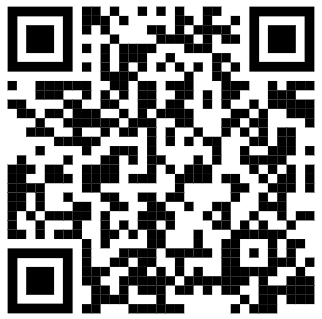
App Store
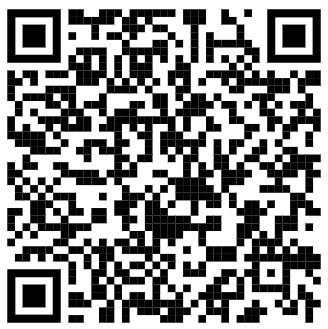
Google Play
Wireless carrier charges may apply
Click the button to visit your app store.



Stay alert. Scammers change tactics frequently. Get tips to protect your personal and business accounts, recognize common scams, and report suspicious activity.
Scammers may send texts claiming to be from Legend Bank asking customers to verify personal info or verify debit card transactions. Don’t respond or share account details. We’ll never ask you to click a link or share login info. To stay safe, log into Online Banking or our Mobile App to review your account and contact information. If you entered details on a copycat login page, call Customer Care at 800-873-5604 right away.
Scammers may spoof our number and pose as Legend Bank’s Fraud Department to steal your info—hang up if you get a suspicious call. Never share login details or personal info; instead, check your account safely through Online Banking, our Mobile App, or by calling Customer Care at 800-873-5604.
Be alert when withdrawing large amounts of cash from the ATM. Criminals may be watching and could follow you to steal it. This is a tactic known as “jugging.” To stay safe, check out these jugging safety tips from the Texas Bankers Association.
Scammers post fake job ads promising easy money and flexible hours to steal your personal info. Don’t fall for offers that ask for upfront fees—stay alert and learn more from the Federal Trade Commission (FTC) about these scams.
If you receive an unexpected gift with a QR code to reveal the sender, don’t scan it—it’s a scam. Brushing scams like this aim to steal your personal info, so avoid entering details on unfamiliar sites. Learn more from the FTC about these scams.
Scammers are posing as toll agencies, sending texts with payment demands and links to steal your financial info. Don’t click the link or reply. Just delete the message. Learn more about unpaid toll scams.
If someone calls urging you to move money via a Bitcoin ATM to “protect” it, it’s a scam. Hang up and contact your bank. Never follow pressure tactics or keep transactions secret. Hang up immediately and contact your financial institution. Learn more about Bitcoin ATM scams.
Gift cards are for gifts, not payments. If someone demands payment by gift card, it’s a scam and the money can’t be recovered.
Scammers exploit disasters and holidays to steal donations, always research charities before giving to ensure your gift goes to the right place.
Scammers use personalized social media ads to create fake stores and sell counterfeit goods. If a deal looks too good to be true, don’t click. Check reviews to verify the seller.
Scammers send fake delivery texts or emails asking you to click a link to fix a “bad address.” Don’t click. Check directly with the retailer to confirm any issues.
Scammers may pose as law enforcement, claiming you missed jury duty and must pay a fine. Don’t be intimidated. Never share info or click links. Hang up or delete the message. View Better Business Bureau tips.
Scammers may text from unknown numbers to start a conversation and gain your trust, then push links or money requests. Don’t reply. Just delete the message. Learn more about text message scams.
Scammers may call or text pretending to be your bank, claiming there’s a fraudulent charge and urging you to “send yourself” money via a transfer app. In reality, you’re sending money to them and if you share a one-time passcode, they’ll access your account. Here’s how to stay safe:
Romance scams often start online with casual chats about work, hobbies, and interests. Scammers quickly profess love without ever meeting in person to gain trust. Learn more about romance scams.
Scammers may pose as a relative in urgent trouble, demanding money and secrecy. Don’t send anything. Verify with another family member first. Watch video about family emergency imposter scams.
Scammers may call posing as tech support, claiming your computer has viruses and asking for remote access. Don’t give it. Hang up immediately to protect your information. Learn more about tech support scams.
Scammers forge email details to make messages look like they’re from someone you trust. These fake emails mimic real ones to trick you into acting on their request. Here’s how to avoid the scam:
If you get a cardboard envelope claiming to be from the IRS, it’s likely a scam. The letter may ask for personal info using fake contact details. Never share financial data with unknown sources. Learn more about unclaimed tax return scams.
Thousands fall for phishing scams daily. Fraudsters send fake emails, calls, or texts that look like they’re from your bank to steal personal info. Learn more about phishing scam.
Scammers may falsely accuse you or your bank of money laundering and demand payment to “clear your name.” It’s a scam. Don’t fall for it. Here’s how to stay safe:
The FTC warns about Amazon imposter scams where fake reps claim there’s a suspicious purchase or account issue. Here are tips to avoid falling for them:
The FTC offers tips about scams where people pretend to be from the Social Security Administration trying to get your number and even your money. Learn more about Social Security scams.
IRS imposter scams are becoming a popular way to scare consumers into making payments. Learn more IRS scams.
Fake check scams often promise prizes or mystery jobs, then trick you into sending money. Don’t fall for it. Verify before acting. Learn more about fake check scams.
Protect your computer and online files from the bad guys with these tips from the FTC. Learn more about preventing online security scams.
Scammers are very creative in the tactics they use to get you to give them what they’re asking for. According to the Federal Trade Commission (FTC), if you’re told any of the following, it’s most likely a scam.
What are the scam red flags to watch out for?
Legend Bank offers a variety of account notification services designed to help you monitor your finances and protect yourself from fraud. These alerts keep you updated on account activity, such as transactions, balance changes, and login attempts, so you can respond quickly to anything unexpected.
We recommend enabling the following services to receive timely updates about activity on your accounts.
You can also determine how you’d like to receive your alerts:
To learn more about setting up alerts, watch our how-to video.
Identity theft occurs when someone uses your personal information, such as your name, Social Security number, credit card number, debit card number and PIN or other identifying information without your permission to commit fraud or other crimes.
Don’t become their next victim. Get scam-smart with resources from Banks Never Ask That from the American Bankers Association.